
Color 100 Years of Human Flight — From the Propeller to the Supersonic Jet.
Wood and fabric. Then aluminium. Then titanium. Then the sound barrier.
$19 · $8 · Launch price· One-time · No subscription
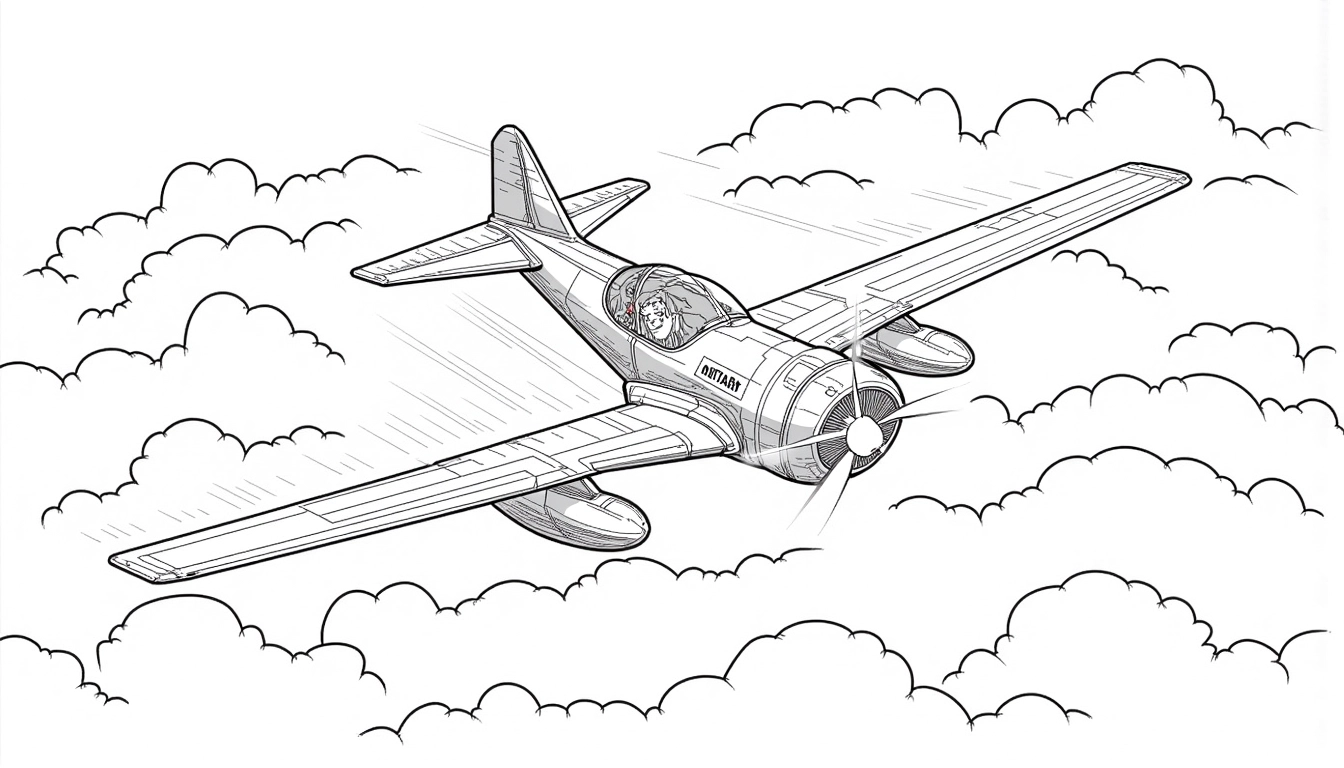
In 1903 the Wright Flyer was made of spruce, muslin, and
bicycle chain. It weighed 274 kilograms and flew 36 metres in 12 seconds. Within a decade, aircraft were crossing the English Channel, racing over Paris, and being fitted with machine guns. The propeller-driven biplane — fragile, exposed, deafeningly loud — was the machine that started everything. Every aircraft that came after it descends directly from that wood-and-fabric contraption on a beach in North Carolina.
Spruce, muslin, bicycle chain. The machine that started everything.
The war machines.
WWI turned the aeroplane from a curiosity into a weapon in
four years. The Sopwith Camel, the Fokker triplane, the SE.5 — nimble, terrifying, flown by men who taught themselves to fight in three dimensions with no manual for how to do it. By WWII the machines had grown into something else entirely — the Spitfire's elliptical wings, the P-51 Mustang's long-range precision, the Japanese Zero's devastating manoeuvrability. These are among the most beautiful machines ever built, designed entirely for killing, and they look like nothing else in the history of aviation.
The Spitfire's elliptical wings. Beautiful, and designed entirely for war.
"In 1903 it flew for 12 seconds. In 1969 it went to the Moon. The same century."
Breaking the sound barrier.
On October 14, 1947, Chuck Yeager flew the Bell X-1 faster
than sound for the first time. Within a generation, passenger aircraft were crossing the Atlantic at Mach 2 on Concorde. The helicopter — invented in parallel, a completely different solution to the same problem — was pulling people off rooftops in Vietnam and setting down on oil rigs in the North Sea. The jet age compressed distance in a way nothing before it had. A journey that took weeks by ship took hours by air.
Concorde. Mach 2. London to New York in three and a half hours.
What you'll color.
Every generation of aircraft that changed what was possible.
Fragile biplanes with open cockpits. WWI dogfighters — the Camel, the Fokker, the SE.5. WWII icons — the Spitfire, the Mustang, the Zero. The first jets. Concorde. Helicopters from the Bell 47 to the Apache. Modern fighter jets. Each page is a machine with a story — the engineering, the era, the people who flew it.
A completely different solution to the same problem.
More collections
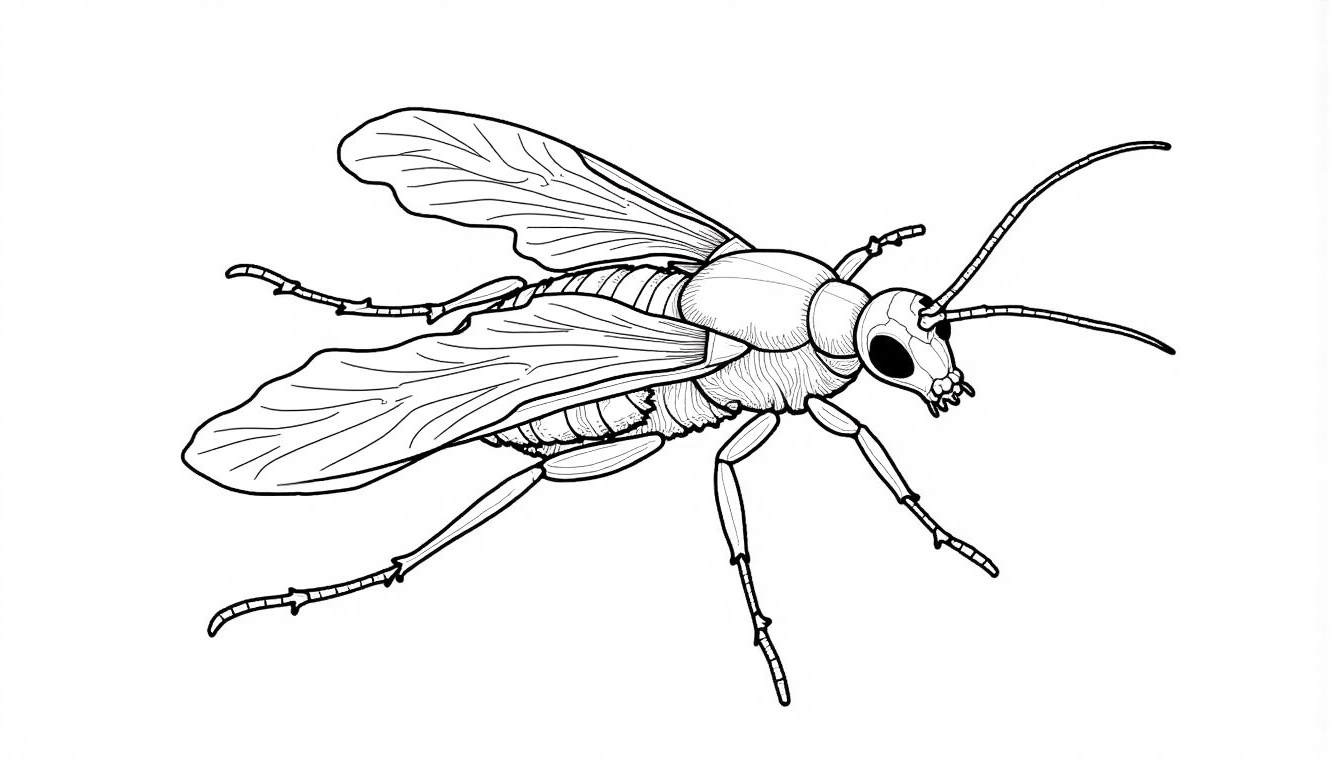
Color through the Life of a Housefly.
For adults who've never actually stopped to look at an insect.
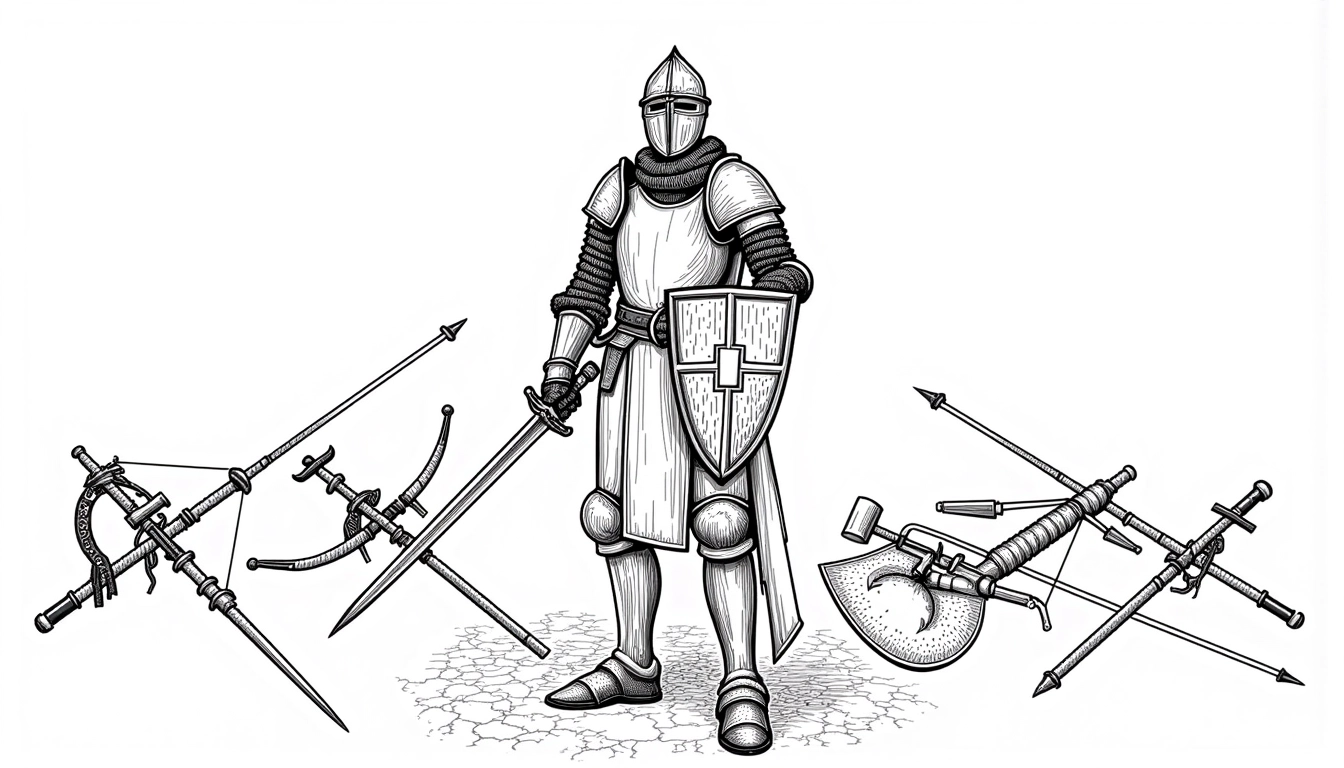
Color Through the Rise and Fall of the Knights Templar.
Founded in Jerusalem in 1119. Dissolved on a single Friday morning in 1307.

Color Through the Temples & Life in Ancient India.
Carved stone. Ritual fire. Gods with ten arms and a thousand names.
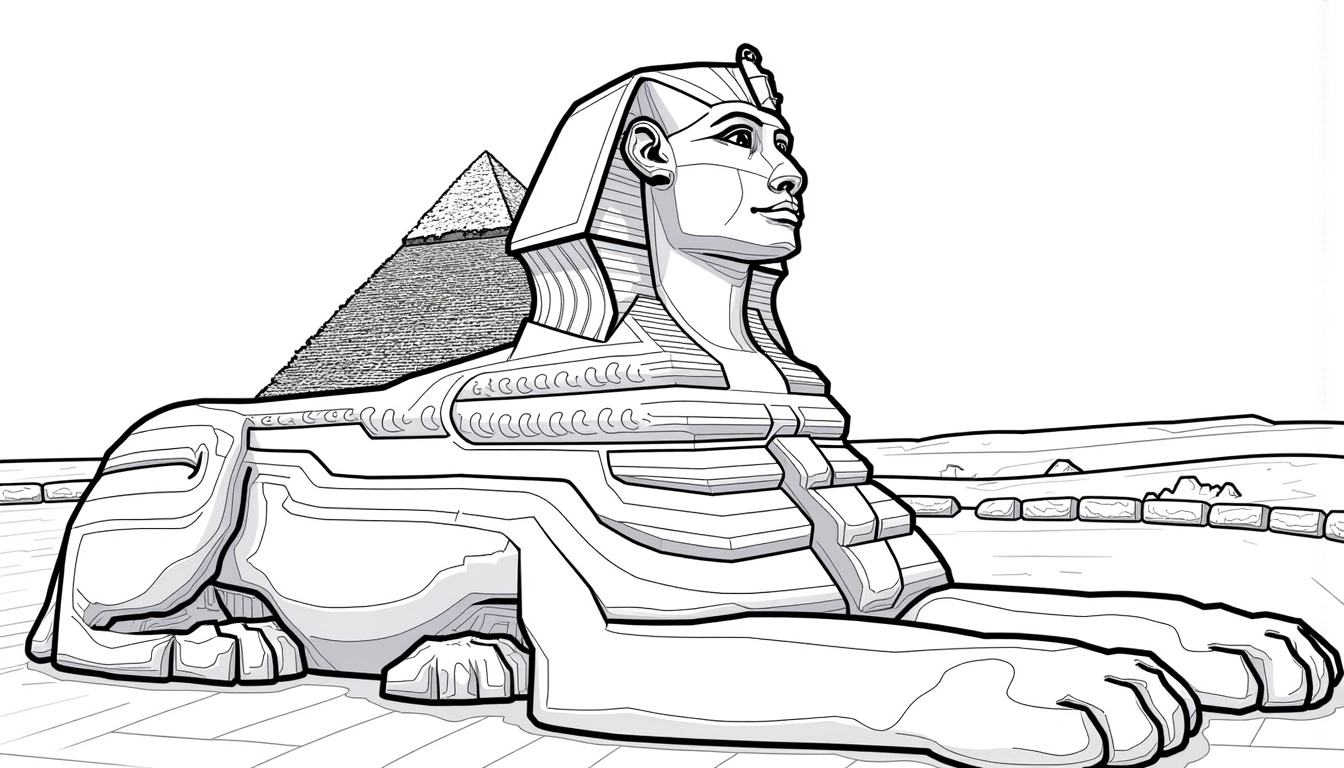
From Anubis to Sphinx — Color Through Ancient Egypt.
Four thousand years of civilization. A coloring page can hold more of it than you'd expect.
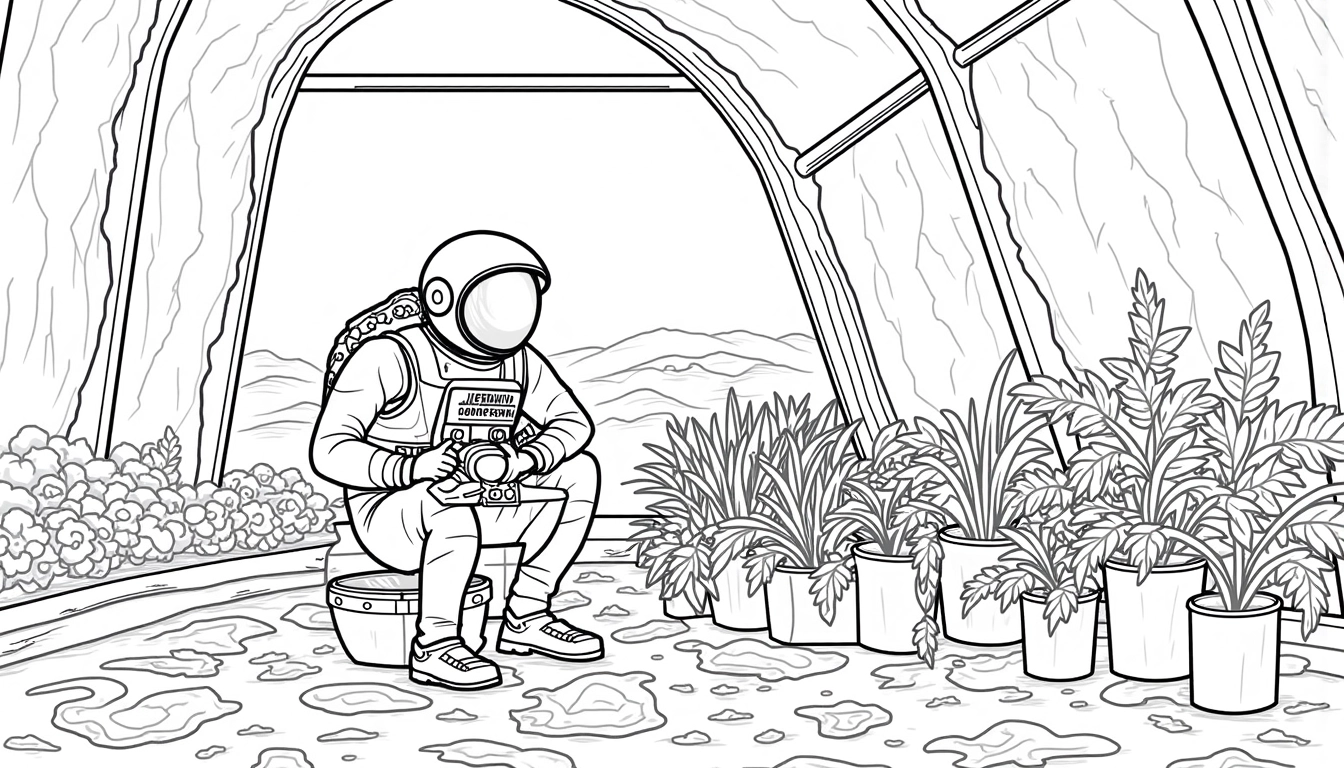
Color the Planet We're Going to Call Home.
The surface no human has touched. The world we're building toward.
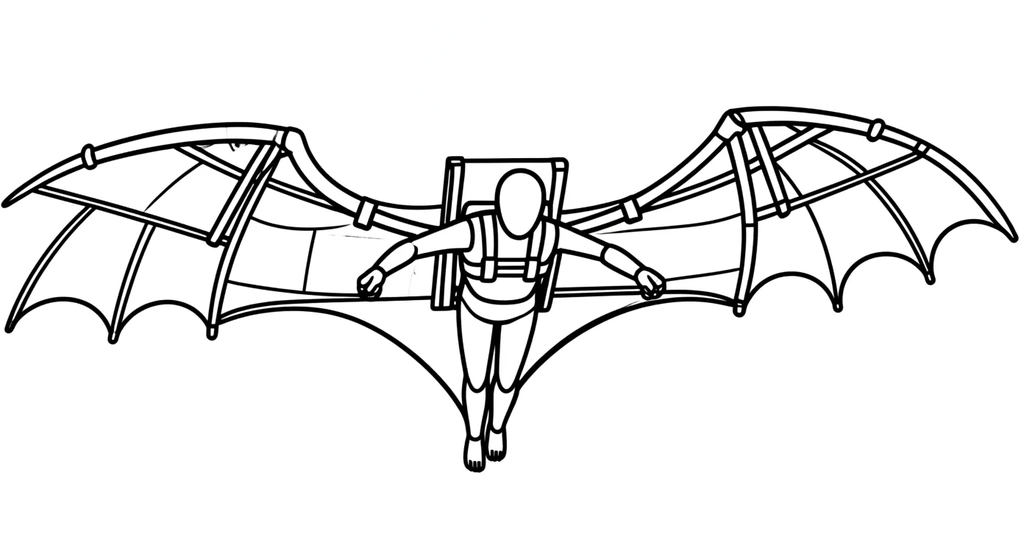
Color the Machines People Dreamed Before They Could Fly.
Before the Wright brothers. Before the engine. Before anyone knew it was possible.
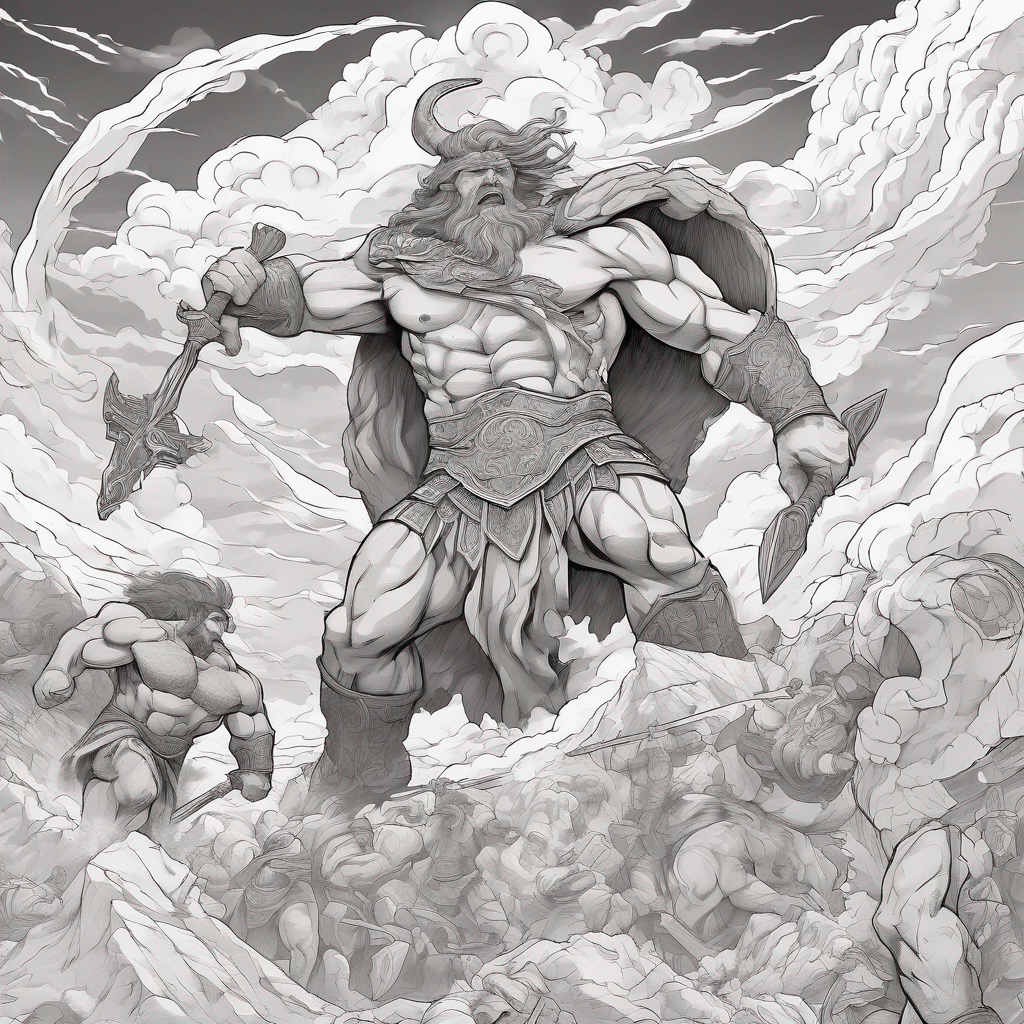
Color Through the Norse Pantheon.
Odin. Thor. Loki. The world-tree. The gods who knew the world would end — and kept going anyway.
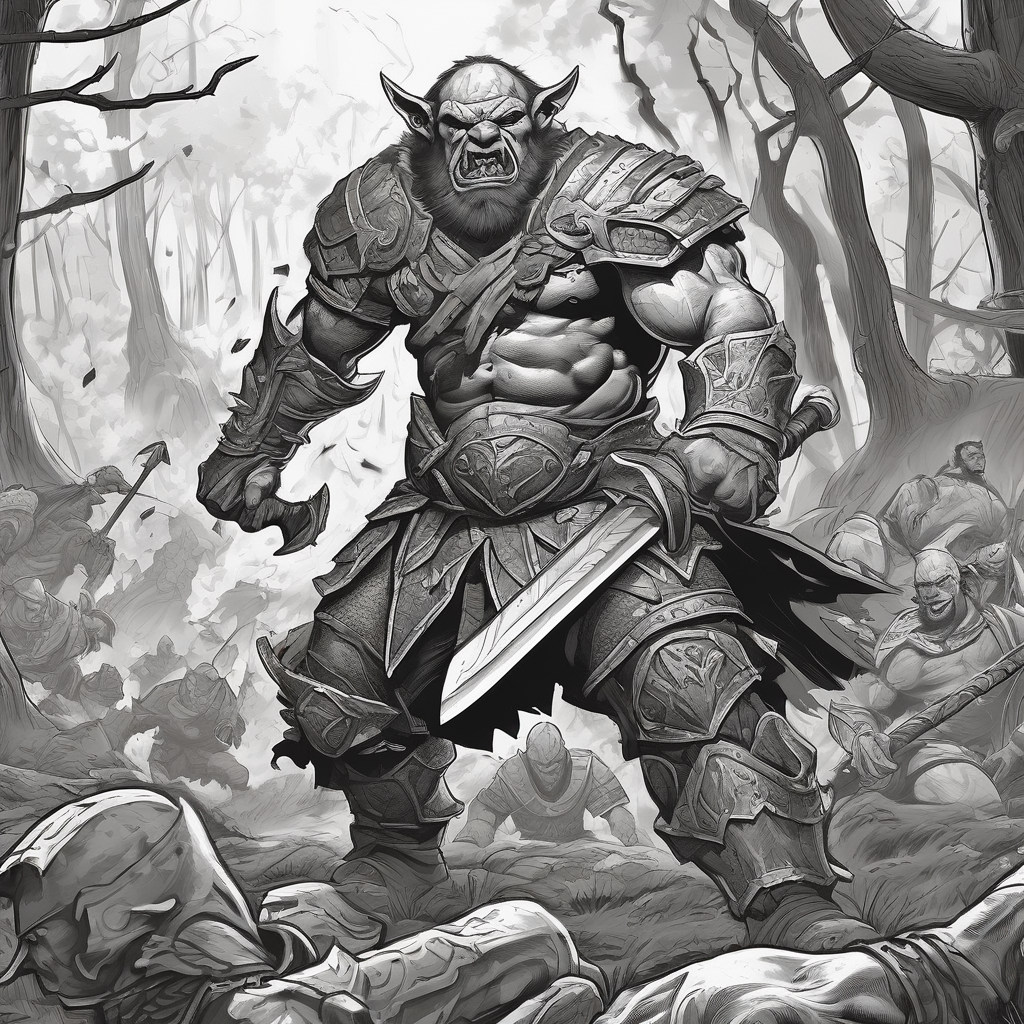
Color Dragons, Elves and Magical Realms.
Every creature that ever lived in a story. Every world that only exists in imagination.
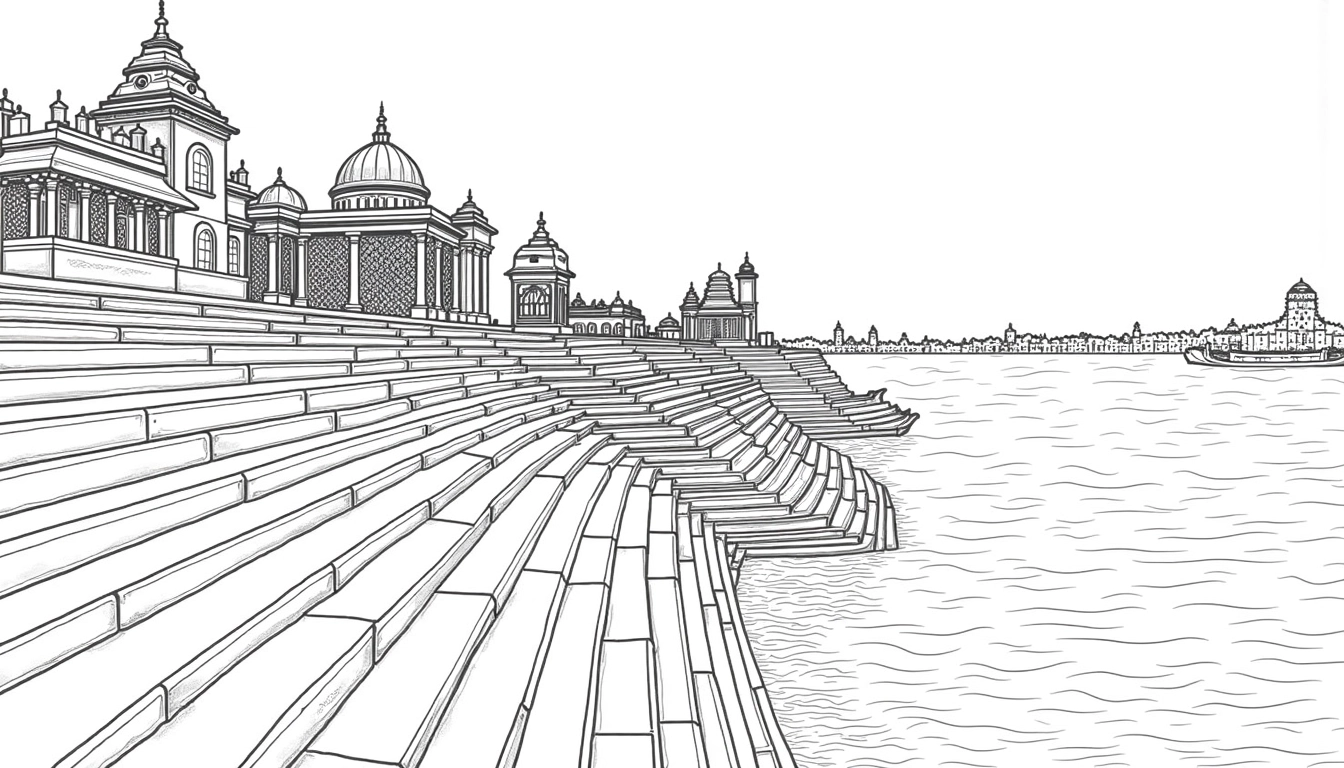
Color the Oldest Living City in the World.
Varanasi. The ghats at dawn. The Ganga. Three thousand years of unbroken sacred life.
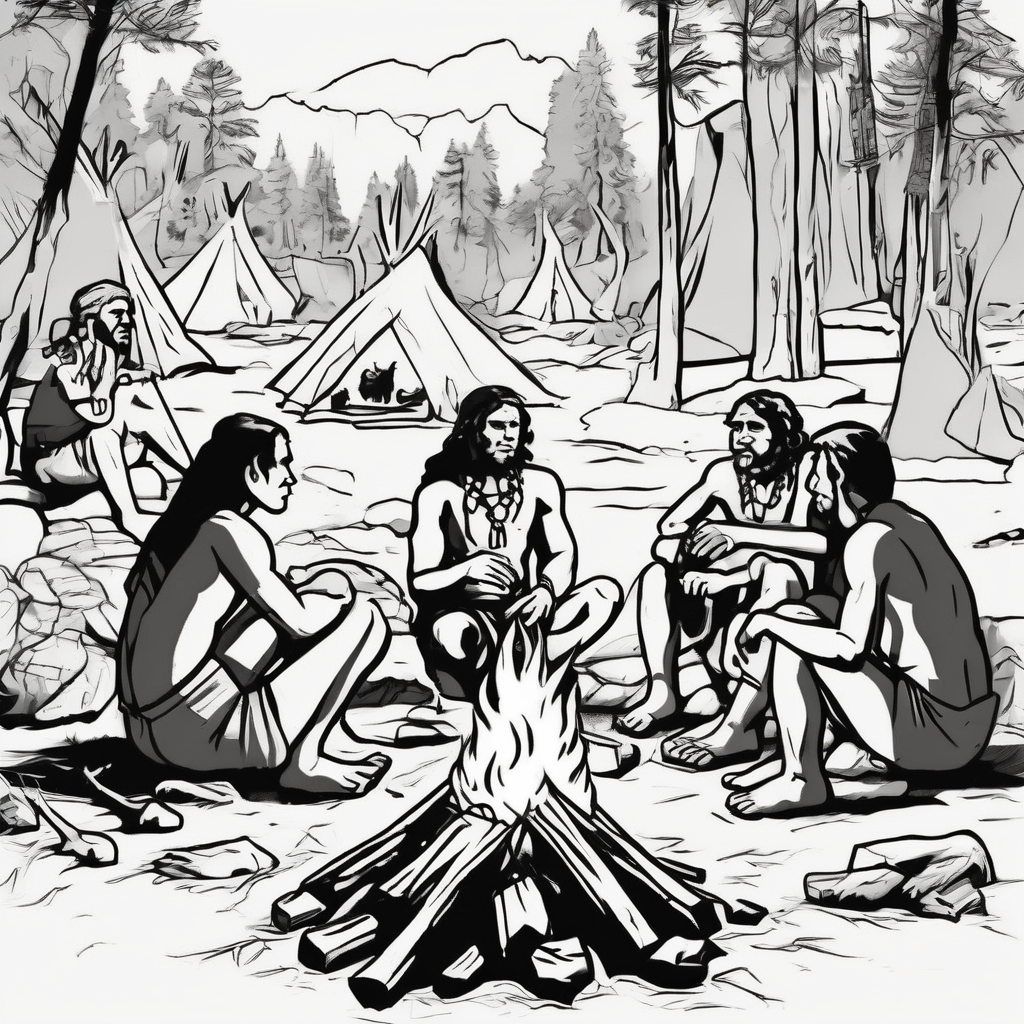
Color the World of Paleolithic Humans.
Before agriculture. Before cities. Before writing. This is where the human story begins.
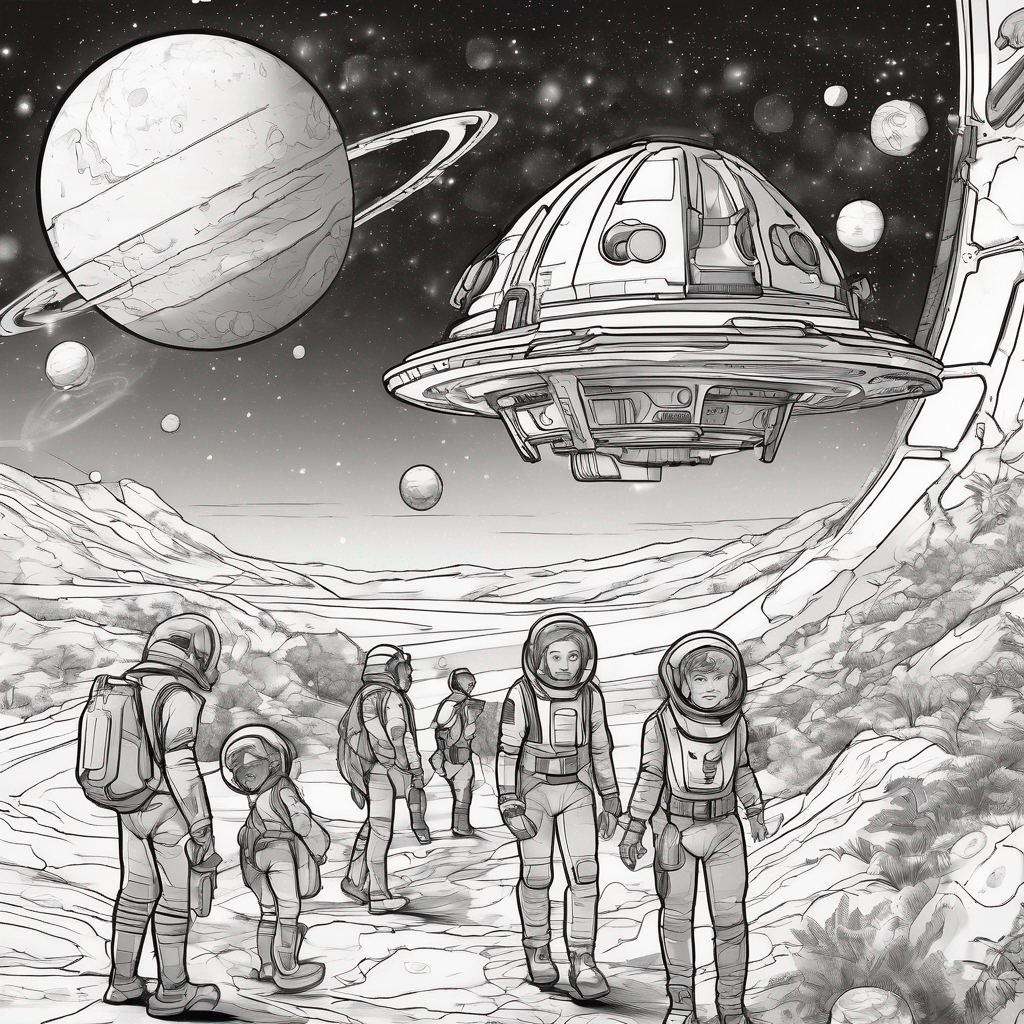
Color the Alien Worlds of Deep Space.
Invented planets. Unmapped moons. Worlds that exist nowhere but here.
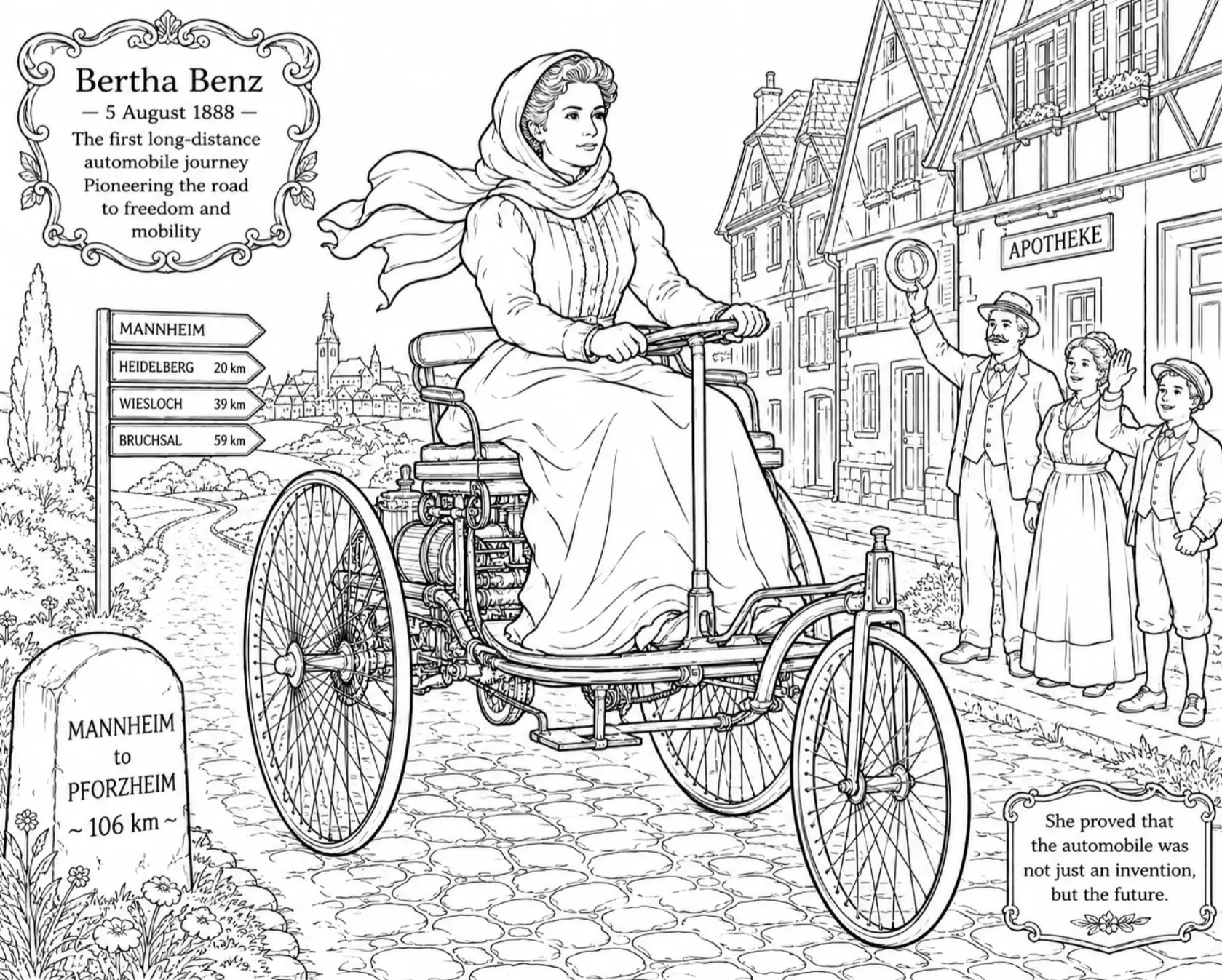
Color the Pioneers of the Automobile — The Story of Bertha Benz.
August 5, 1888. She took the car without permission. Nobody had driven 104km before.
Unlimited unique coloring pages on your iPad.
Early biplanes. WWI dogfighters. The Spitfire. The helicopter. Jets breaking the sound barrier. Concorde. Every generation of aircraft that took humans further and faster — coloring pages drawn from the actual machines, the actual history.
$19 · $8 · Launch price· One-time · No subscription